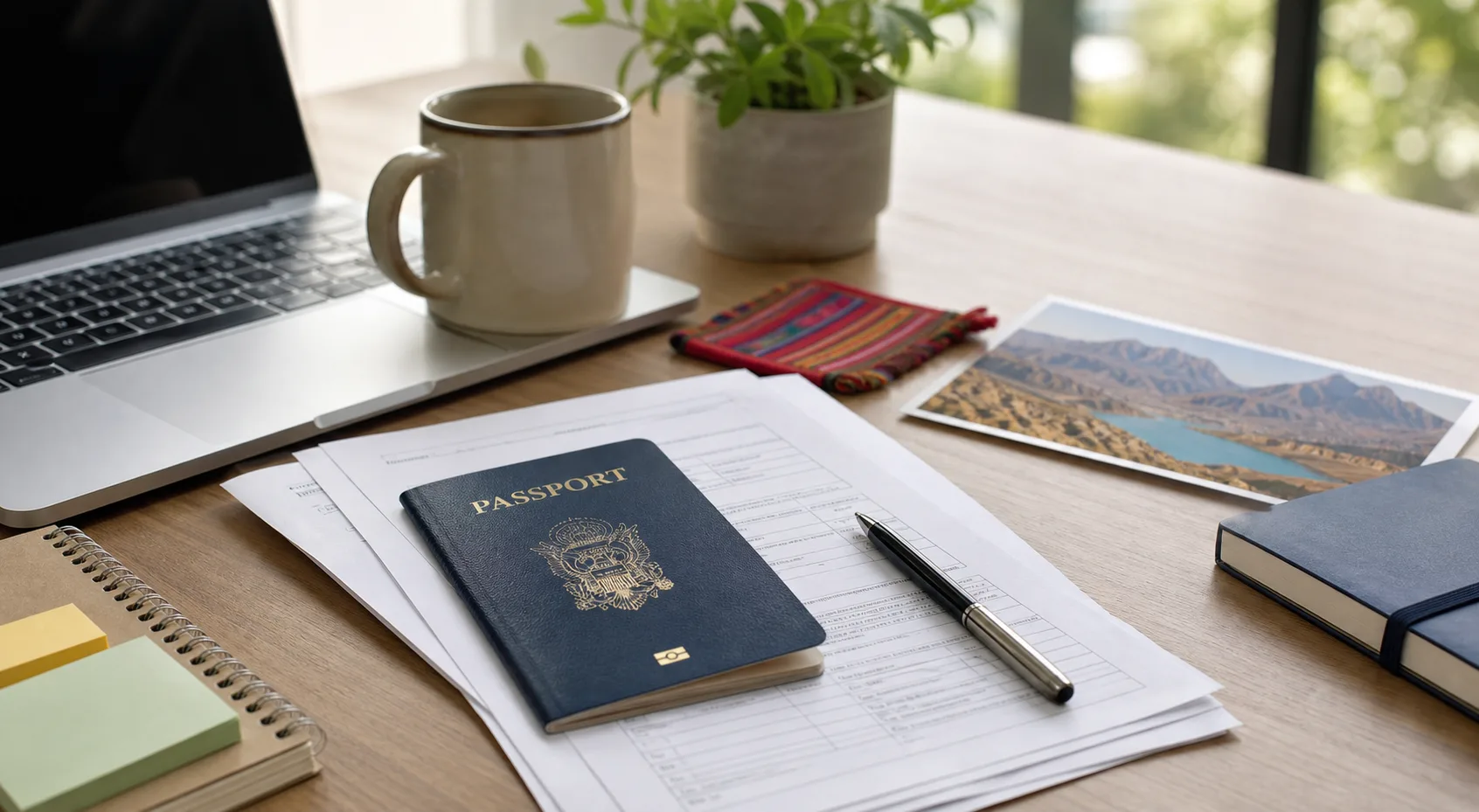
Tourist Visa or Visa-Free Entry
Group I passport holders generally enter without a tourist visa. Group II and Group III passport holders should verify visa requirements in the official system before travel.

Practical help for travelers, founders, families, students, and workers who need a clear Bolivia visa or residency plan backed by official sources.
Bolivia separates entry permissions from in-country permanence. A clean plan starts by matching your passport, purpose, documents, and filing deadlines.
Group I passport holders generally enter without a tourist visa. Group II and Group III passport holders should verify visa requirements in the official system before travel.
This path is for people who need to enter Bolivia for a stated purpose and then, when eligible, pursue in-country temporary permanence through DIGEMIG.
Bolivia's migration regulation allows temporary permanence for study, work, health, family, and humanitarian reasons, with duration tied to the activity.
The official requirements PDF calls for proof of prior studies, an acceptance letter, agreement documents where applicable, and criminal or police records.
The official requirements PDF asks for company constitution documents, tax identification evidence for Bolivian entities where applicable, and an INTERPOL background certificate.
DS 1923 lists three years in Bolivia plus application, identity, background, activity, solvency, photo, and fee evidence as core requirements.
This tool reads the public country data used by Bolivia's official visa system. It is a planning check, not a final legal decision.
The most common planning mistake is treating a tourist entry, consular visa, and Bolivian residence as the same thing. They are different decisions with different documents.
Use the official country data or consular guidance to confirm whether your passport is Group I, II, or III before you book.
A visa or visa-free entry gets you into Bolivia. Temporary or permanent permanence is the in-country immigration status for living there.
Work, family, study, business, or health files each depend on different proof. The evidence should match the story of the move.
Police records, birth and marriage records, academic records, and company documents often need apostille or consular legalization before filing.
Overstaying or waiting until the final days can complicate the path. Build the DIGEMIG filing calendar before arrival.

Bolivia's consular network announced the move into visa-free Group I for these passports. We still recommend checking the official country API before booking.
Listed in the 2025 Group I update from the Bolivian consular network.
Requirements vary by visa type, but the official visa PDF lists these general items before category-specific evidence.
Visa declaration form from official migration, consular, or visa-system channels.
Passport must be valid for at least six months for visa issuance.
Current photo plus yellow-fever or health certificate when applicable.
Payment proof unless the visa is exempt through an agreement or state convention.
Invitation, employer, school, family, health, or company records depending on the path.
Required for several student, specific-purpose, and business paths.
Short answers are useful, but the right path depends on passport, purpose, document history, and timing.
Bolivia's December 2025 Cancilleria update placed the United States into Group I, meaning no tourist visa requirement for ordinary tourism entry. Travelers still need to respect stay limits and non-work rules.
Tourist entry is useful for scouting, but it is not a long-term residence status and does not authorize paid work. A move normally requires a documented visa purpose and/or in-country temporary permanence through DIGEMIG.
Bolivia's migration regulation describes tourism or visit stay as up to 90 calendar days per year. Your passport stamp, nationality, and extensions should be checked before relying on the maximum.
Start by identifying the legal basis: work, family, study, health, humanitarian, or business. Then align your entry visa, document legalizations, and DIGEMIG timing around that basis.
Share your passport, relocation reason, timing, and current location. We will map the likely visa path and the documents to verify first.
A consultation should end with a practical sequence, not a pile of disconnected requirements.
We keep source links visible because Bolivia visa rules change, and the source trail matters.
Online pre-registration portal for Bolivia visa applications.
Open sourceLists general and visa-specific documents, including passport validity, sworn application form, photo, health certificate when applicable, fee proof, and category documents.
Open sourceMachine-readable country group data used by the official visa system.
Open source